Walkers and Rollators Explained: What Discharge Planners Need to Know for Patient Mobility

When a patient is preparing for discharge, ensuring safe and optimal mobility is among the most critical responsibilities for the care team. For discharge planners, caregivers, and medical equipment coordinators, choosing the right walker and rollator can be the difference between a smooth recovery at home and preventable complications. Yet many professionals still treat mobility device selection as a checklist item—not a personalized solution. Drawing on the deep expertise of Tina Pressley from My Mobility Medics, this essential guide delivers the nuanced, actionable insights every post-acute care team needs to provide the best possible patient outcomes and elevate the standard of mobility care.
Tina Pressley’s Core Insight: Personalized Mobility Solutions Over Generic Device Assignments
Too often, discharge planners fall into the trap of assigning a standard walker out of convenience or habit, overlooking the unique mobility challenges and preferences of each patient. According to Tina Pressley of My Mobility Medics, a truly patient-centered approach demands more. The process of recommending a mobility device should involve a thorough assessment—one that extends beyond a diagnosis and factors in the patient's living environment, support structure, activity level, and even personal anxieties about falling. Having deep knowledge of both walkers and rollators empowers care coordinators to foster independence, confidence, and safety for every patient they advise.
“The key takeaway is to make sure that they're not just filling a box. They're not just checking and saying, yep, you need a walker and sending them home with a generic device.” — Tina Pressley, My Mobility Medics
This perspective, rooted in years of hands-on experience in the Upstate South Carolina region, drives My Mobility Medics' mission to deliver both the right walker or rollator and ongoing support for all their clients.
Key Differences Between Walkers and Rollators for Effective Patient Mobility
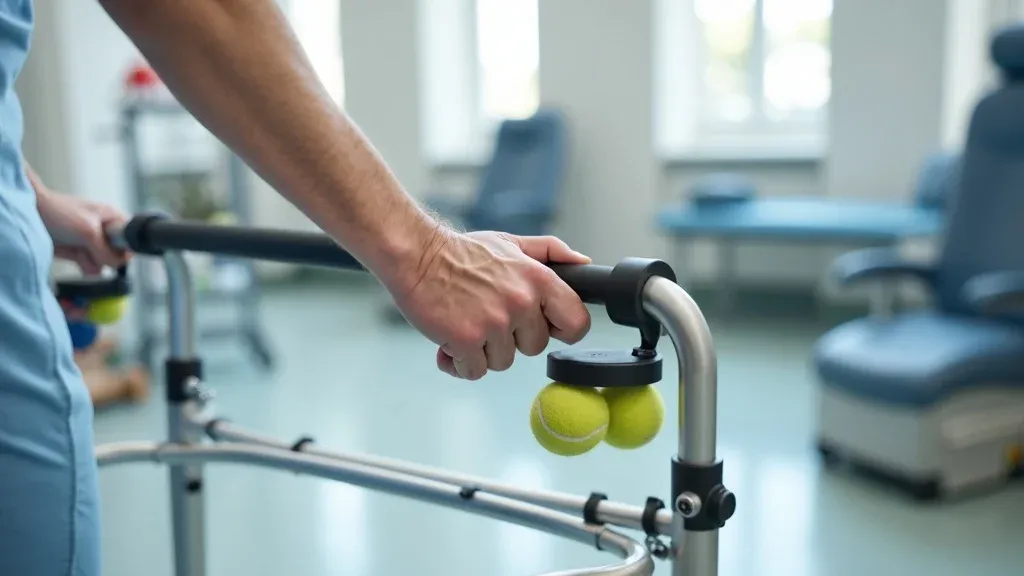
Understanding the nuances between a walker and a rollator is foundational to making optimal mobility recommendations. According to Tina Pressley, the contrast extends well beyond form factor—each device type serves a distinct set of physical capabilities, mobility goals, and lifestyle preferences. The stereotypical hospital walker, instantly recognized by its two-button collapsing frame and, yes, the tennis balls affixed for smoother gliding, excels as a sturdy, lightweight, and basic mobility aid. Its design, however, can limit independence for those ready for more active ambulation or those who may need the reassurance of a seat or brakes.

“Walkers are generally what you'd see at the hospital... but if you need to get around better, you want to consider a rollator with locking rear wheels and a seat.” — Tina Pressley, My Mobility Medics
Conversely, a rollator brings advanced features: four wheels for effortless rolling, ergonomic hand brakes for safety, and an integrated seat for rest when fatigue sets in. Deciding between these two is not a matter of "good versus better," but of personalized need matching. Tina Pressley emphasizes that evaluating the patient's strength, balance, endurance, and home environment is key; a rollator’s higher mobility can become risky without the prerequisite coordination or strength. For planners and therapists, the onus is on understanding each tool’s strengths—and potential drawbacks—to fit the device to the individual, never the individual to the device.
Walkers: Traditional Mobility Aid with Basic Functionality
Standard walkers, widely familiar in hospital and short-term rehab settings, are valued for their stability, lightness, and ease of maneuvering through tight spaces. Tina Pressley points out that these two-button collapsible walkers, often customized with tennis balls for quieter movement, deliver excellent support for those with limited endurance who still benefit from deliberate, incremental walking. The lack of wheels or seat simplifies their operation but can also limit longer-distance ambulation and provide little respite for those with lower stamina.
Yet, this simplicity underscores a critical challenge: while these walkers provide confidence and safety in clinical corridors, they may not seamlessly translate to the home environment or support evolving patient goals. Tina notes that poorly matched equipment can inadvertently diminish a patient's independence and even increase fall risk if not regularly reassessed and adjusted for post-discharge changes.
Rollators: Enhanced Mobility with Added Comfort Features
Rollators are engineered for greater mobility and comfort. Four-wheeled designs, hand-actuated rear wheel locks, and integrated resting seats make them ideal for patients with adequate strength, coordination, and desire for longer, uninterrupted walks. Rollators can transform an individual’s sense of freedom, allowing spontaneous outings or household chores without constant fatigue. Tina Pressley advises that the inclusion of a seat is a gamechanger for those prone to dizziness or variable energy, significantly lowering fall risk by eliminating the temptation to sit on unsafe surfaces.
However, with these advantages come important caveats: rollators are typically heavier and, if not matched to the patient’s height and reach, can strain the shoulders or back. Tina underlines the necessity for proper adjustment, clear instructions, and ongoing check-ins—a level of care that My Mobility Medics has made a standard for clients and families alike. Selecting the correct rollator isn’t about ticking a box; it’s about enabling optimal, sustainable mobility based on thorough evaluation.
- Two-button collapsible walkers often fitted with tennis balls for smooth movement
- Rollators include rear wheel locks for safety
- Rollators provide a seat for resting, unlike walkers
- Ideal patient profiles for each device based on physical capability and lifestyle
Why Discharge Planners Must Develop Expertise in Walker and Rollator Selection
Discharge planning is high-stakes work: recommending the wrong mobility aid can have real consequences, ranging from new falls to loss of independence or unnecessary hospital readmission. Tina Pressley knows firsthand that gap in device knowledge often leads planners to default to the familiar—the basic walker—leaving advanced options like rollators underutilized. True expertise in walker and rollator selection is essential for planners and care coordinators. According to Tina, expert partnership with local Durable Medical Equipment (DME) providers such as My Mobility Medics is the most reliable way to match device features with individual patient needs.

“Planners tend to default to what they know. If they don't know rollators, they'll never recommend them. Contact a local DME like MyMobility Medics to help decide the best device.” — Tina Pressley, My Mobility Medics
Moreover, focusing on mobility aid expertise offers both clinical and financial benefits. It reduces the risks associated with inappropriate device assignment and positions discharge planners as proactive advocates, not passive facilitators. Tina's team is committed to providing fast, accurate consults and ongoing device support—an extension of the collaborative mindset she urges all care coordinators to adopt.
Avoiding One-Size-Fits-All Solutions
In Tina Pressley’s experience, the “one size fits all” mentality is pervasive—and it’s a mistake. Patients differ not only in height and weight, but also in muscle strength, hand dexterity, balance confidence, and the nature of their home settings. The temptation to prescribe a standard walker without a nuanced assessment can result in devices that are either unused, misused, or outright hazardous. Discharge planners must take the time to review functional assessments, consider comorbidities, and think about household realities (such as tight hallways or carpeted stairs). According to Tina, every aspect, from home layout to daily habits, influences the safe use of a walker or rollator.
Considering Patient Height, Weight, and Assistance Needs
Astute planners know that matching device to person means measuring limb length, checking reach distances, and evaluating the patient’s need for assistance. Tina Pressley warns that improper fit or weight limits can create falls or painful strain injuries. She recommends involving both family members and medical equipment professionals early in discharge planning to perform real-world fit tests and educate everyone—patient, caregiver, and family—on safe operation.

Collaborating with Medical Equipment Coordinators and Families
For Tina and her team at My Mobility Medics, collaboration is non-negotiable. She notes that discharge planners should always reach out to DME partners for device demonstrations and to ensure any unique patient needs are addressed. Families play a vital role in this process—they are the patient’s advocates and can provide insights into daily routines, home obstacles, and emotional readiness for a new mobility aid. Tina's advice is unambiguous: “Always talk to the individual, talk to a partner, a medical equipment partner, and talk to the family members and decide what’s the best device for that individual. ” This inclusive approach makes for recommendations that not only fit but genuinely improve the patient’s quality of life.
Practical Advice for Caregivers & Rehabilitation Teams When Advising on Walkers and Rollators
Besides device choice, Tina Pressley underscores the importance of training, home preparedness, and open communication. She stresses prioritizing comprehensive assessments—never assuming that what worked for one patient will work for another. Discussing patient lifestyle, goals, and anxieties with both the family and patient gives insight into what features will truly matter. For patients with short-term mobility loss, the value of exploring rental options, rather than purchase, can’t be overestimated. Bundling accessories, like baskets and fall prevention aids, further optimizes safety and comfort—an underutilized strategy that Tina’s team implements for every case, regardless of duration.
- Assess physical capabilities thoroughly before device recommendation
- Discuss patient preferences and lifestyle with family and patient
- Explore rental and purchase options for short- or long-term needs
- Bundle accessories such as baskets, trays, or fall prevention aids when applicable
Recommended Accessories to Enhance Patient Comfort and Safety
Accessory selection is a subtle yet significant aspect of walker and rollator recommendations. For many patients, the distinction between frustration and seamless daily use is the right add-on: a tray for meals, a mobility basket for personal items, or even a padded seat cushion to increase comfort during resting periods. Tina’s approach at My Mobility Medics includes advising on anti-tipping features, reflectors for low-light conditions, and wrist straps for those with grip concerns. The right accessories not only support safety—they make the transition back home feel less clinical and more empowering, honoring the patient’s dignity and autonomy.

Background Context: Common Misconceptions and Cost-Effective Mobility Aid Choices
Dispelling The Myth That All Walkers Are the Same
Tina Pressley finds that one of the most damaging myths is the assumption that "a walker is just a walker. " The market offers a wide range of models, each suited to very different profiles and environments. Beyond the basic two-button style, there are high-weight-capacity bariatric models, lightweight travel walkers, and walkers with adjustable grips for arthritis patients. Rollators also come in myriad designs, from compact models for tight spaces to all-terrain types for outdoor enthusiasts recovering from orthopedic surgery. According to Tina, recognizing these distinctions can prevent avoidable complications and transform a patient’s recovery trajectory.
The Role of Expert Guidance to Improve Patient Outcomes
Rather than relying solely on checklists, Tina believes that expert guidance—whether through an in-person consultation or collaboration with a responsive DME partner—is critical. Discharge planners lacking firsthand familiarity with all categories of walker and rollator risk providing incomplete recommendations. My Mobility Medics bridges this knowledge gap by offering hands-on training, rapid equipment delivery, and follow-up support—ensuring every device not only fits the patient today but continues to serve them safely as their needs evolve. This dedicated, accessible partnership is what sets leading discharge planners and medical equipment coordinators apart.
| Device Type | Key Features | Ideal Patient Profile | Pros | Cons |
|---|---|---|---|---|
| Walker | Two-button collapsible, no seat | Patients needing basic support | Lightweight, simple | Limited mobility, no seat |
| Rollator | Four wheels, rear wheel lock, seat | Patients needing mobility and rest options | Mobility, comfort, safety | Heavier, slightly more complex |
Summary: Empowering Discharge Planners with Walker and Rollator Expertise
“Always talk to the individual, a medical equipment partner, and family members to decide what's best for that individual.” — Tina Pressley, My Mobility Medics
Making Mobility Recommendations That Truly Matter
Ultimately, the difference between an empowered discharge planner and an average one is the depth of expertise and empathy brought to each patient interaction. Tina Pressley emphasizes that every recommendation is an opportunity to transform recovery and quality of life. By prioritizing collaborative assessments, leveraging the expert support of local DME providers like My Mobility Medics, and tailoring device selection to real-world needs, discharge planners can become champions for safe, independent mobility. When you choose a walker or rollator, you aren’t just issuing equipment—you’re investing in your patient’s future autonomy.
- Personalized assessments over generic checklists
- Leveraging expert partnerships with local DME providers
- Enhancing patient quality of life through informed device choices
Next Steps: Visit My Mobility Medics to Explore Your Mobility Solutions
Ready to make informed mobility recommendations that truly serve your patients? Contact My Mobility Medics to arrange personalized consultations, access the latest walker and rollator options, and explore a full range of mobility solutions backed by expert service. Partner with our compassionate team—because every patient deserves a mobility plan tailored for their comfort, safety, and independence.
