What Caregivers Need to Know About Patient Lifts for Home Safety and Comfort

Tina Pressley on Choosing the Right Patient Lifts for Home Safety and Comfort
In today's rapidly evolving world of home healthcare, patient lifts for home use have become an essential tool for caregivers, whether they're part of a professional agency, a home health team, or a devoted family member. But too many make the mistake of choosing equipment based on assumptions or generic advice—putting both patient and caregiver safety at risk. Tina Pressley of My Mobility Medics knows just how crucial it is to match the right equipment to the specific abilities and needs of every patient. Her expertise stems not only from years of hands-on experience serving the Upstate South Carolina region, but also from a profound dedication to empowering individuals and families facing mobility challenges. In this guide, Tina unpacks common misconceptions, shares expert selection strategies, and reveals why a tailored approach makes all the difference for home safety and comfort.

As Tina Pressley, of My Mobility Medics, explains: "Always look at your patient's need. Decide the lift that you need, and let us know right away, and we'll get them for you."
Understanding Patient Strength to Select Effective Home Patient Lifts
One of the most critical—yet commonly misunderstood—factors in choosing the best patient lifts for home is an honest assessment of the patient’s physical strength and ability to stand. According to Tina Pressley, this is the mistake she sees most often: “A lot of times caregivers don't consider whether the person can actually stand. They imagine a simple manual lift will do the job, without realizing that these require at least 60% of the patient’s ability to stand—with support from a gait belt or some assisted help. ” This means that before ever browsing equipment catalogs, caregivers must evaluate, either independently or with professional support, the unique stand and movement capacity of their loved one or patient. If the individual cannot reliably bear most of their weight—even with guidance—a manual lift may be not only ineffective, but unsafe.
According to Tina Pressley, even powered equipment options—like powered sit-to-stand lifts—require the user to have about 30–40% stand ability and adequate arm strength to use the sling safely. “If the patient can't support themselves at all, you absolutely have to switch to a full-body patient lift,” she emphasizes. This tailored approach ensures not only effective transfers but also prioritizes the ongoing safety and dignity of both the patient and the caregiver. In Tina’s experience, taking the time to perform a realistic strength assessment is the foundation of every equipment decision and should never be skipped.

As Tina Pressley, of My Mobility Medics, explains: "If the person does not have at least 60 percent of their stand ability, then they won't be able to use that style of lift. They would need something powered."
Manual vs. Powered Patient Lifts: Matching Equipment to Mobility Levels
The distinction between manual and powered patient lifts goes far beyond convenience—it often determines whether a lift is even safe to use in the home setting. Tina Pressley underscores that, “if you select a manual patient transfer lift for someone who can’t adequately support themselves, you’re risking both a failed transfer and an injury. ” Manual lifts are most appropriate for patients with adequate core strength and at least medium standing ability. For those with further reduced mobility, powered sit-to-stand models offer electrical assistance but still demand some user participation. It’s only when mobility is so severely compromised that a full-body powered patient lift becomes non-negotiable.
According to Tina Pressley, understanding these thresholds is absolutely essential for families suddenly thrust into caregiving roles and for busy professionals managing multiple patient transitions. Unlike a clinical setting—where several staff can assist—home use rarely provides extra hands. Therefore, precision in matching the patient lifts for home to the actual capabilities of the person being assisted could mean the difference between injury prevention and an emergency room visit. Tina’s approach is clear: “Let the patient’s abilities dictate your choice. Not just what’s available or cheapest. ”
The Impact of Proper Patient Lift Selection on Caregiver Safety and Comfort
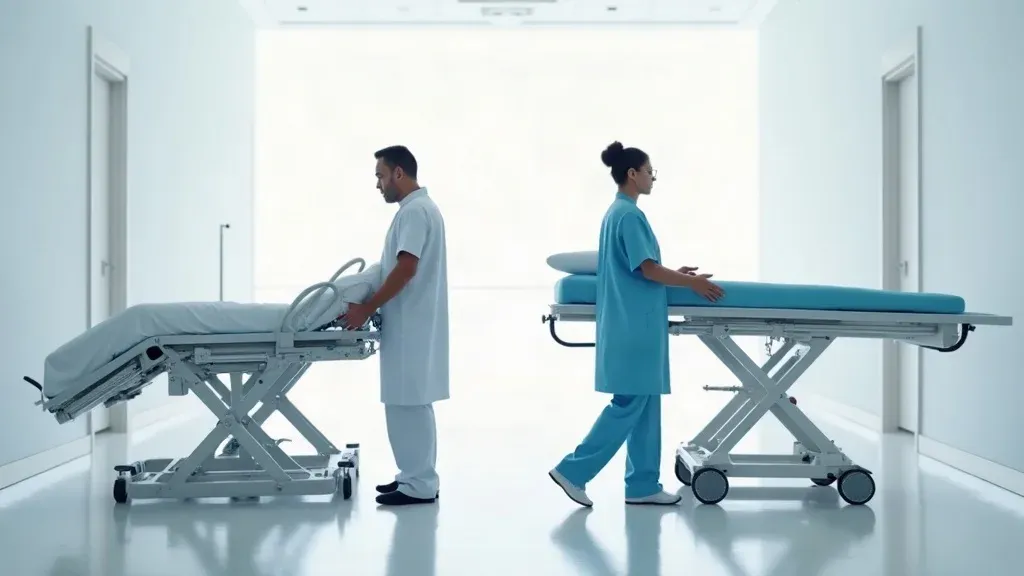
It’s not just the patient's comfort and safety at stake—selecting the right patient lifts for home directly impacts the well-being of the caregiver. Tina Pressley recounts frequent scenarios involving couples: “Especially when one partner is older and trying to care for the other, having the right lift for transfers makes all the difference. It doesn’t just save their back; it can prevent secondary injuries and even reduce the risk of falls. ” Put simply, improper lifting is a leading cause of caregiver injury, with back strain being all too common. The proper lift acts as an ergonomic equalizer, shifting the physical burden from the caregiver’s body to reliable, well-chosen equipment.
What’s more, when caregivers feel confident operating their patient lifts for home, overall care quality improves. They are less likely to rush transfers or skip essential checks—leading to fewer mishaps and greater peace of mind. Tina’s message to all caregivers and care coordinators is clear: Don’t wait until someone gets hurt to get professional advice and installation. “Getting the right lift isn’t just about patient convenience—it's your own safety too," Pressley stresses.
As Tina Pressley, of My Mobility Medics, explains: "Getting the right lift that they can use with, for transfers will save their back, will save the other person from additional falls."
Expert Advice: Key Accessories and Bundles to Enhance Patient Lift Use at Home
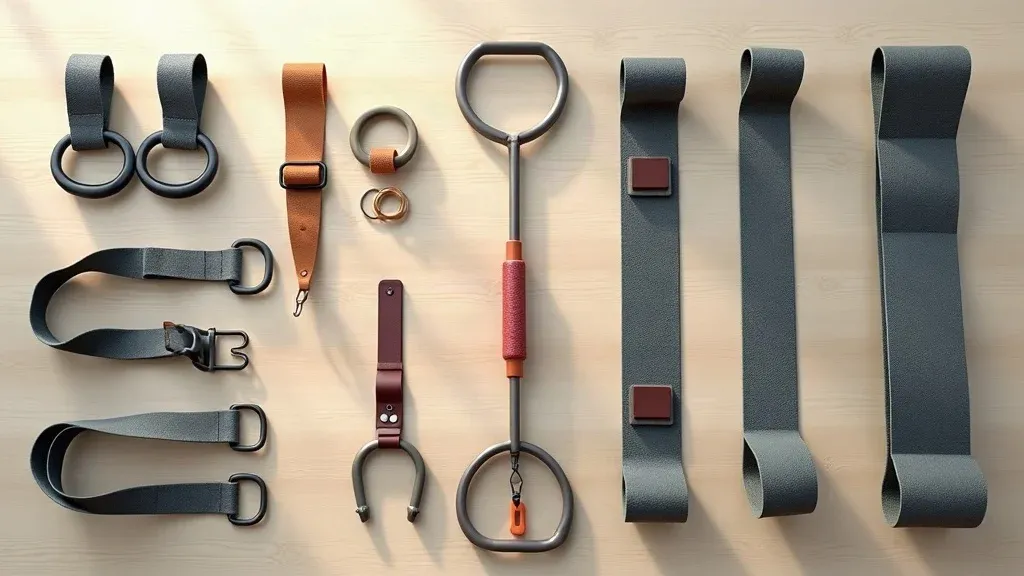
Getting the main lift is only part of the equation. Tina Pressley is adamant: “The right accessories make all the difference in adaptability and safety. ” She points out that tools such as gate belts for extra support, custom-fitted slings aligned to the user’s needs, and compatibility add-ons with hospital beds or wheelchairs can elevate the entire caregiving experience. For example, choosing a sling with extra support or padding might be necessary for a patient with fragile skin or those recovering from surgery. Bundling a lift with service contracts for maintenance and repair ensures there’s never a gap in safety, even if something needs fixing at short notice.
Additionally, Tina highlights the importance of comprehensive training and setup support. New caregivers or family members may be intimidated by patient lift use, but thorough, hands-on education from a knowledgeable provider can eradicate anxiety and inspire safe technique from day one. The expert’s view is clear: “Accessories and bundled services are not frivolous add-ons, but essential elements in a successful home care plan. ”
- Gate belts for additional patient safety
- Sling types tailored to patient needs
- Compatibility with hospital beds and mobility devices
- Maintenance and repair options
- Training and setup assistance from providers
Maximizing Home Safety: How Patient Lifts and Hospital Beds Work Together
Recommendations for Integrating Patient Lifts with Adjustable Hospital Beds
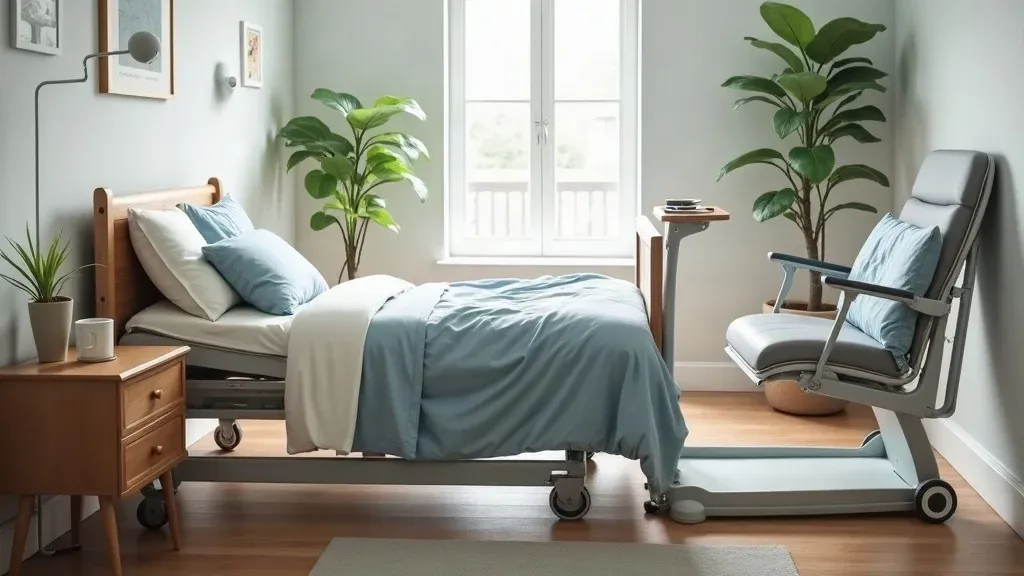
A commonly overlooked aspect of patient lifts for home integration is their synergy with adjustable hospital beds. According to Tina Pressley, this pairing amplifies not only safety but also workflow efficiency for caregivers. “Many lifts are designed to work seamlessly with hospital beds, but minor incompatibilities can be the root cause of transfer difficulties or prevent full utilization of either device,” she notes. Critical factors include the clearance space under the hospital bed for the lift’s wheels, and ensuring slings can be applied or removed without excessive repositioning.
Tina encourages caregivers and coordinators to share their current or planned bed model with equipment specialists before purchase. This collaborative approach ensures that the chosen lift and bed system will integrate smoothly, minimizing both risk and stress. Careful planning can also identify when bedside commodes or portable ramps could enhance safety further in tight or multi-use spaces. Integration is about foreseeing daily living challenges and proactively addressing them with the right solutions.
Combining Mobility Accessories for Comprehensive Home Care Solutions
Ultimate home safety doesn’t stem from a single product—it results from the intelligent combination of multiple mobility accessories fitted to the environment and daily routines. Tina Pressley frequently recommends assessing not just the main lift, but also adjacent devices like walkers, wheelchairs, transfer boards, and strategically located grab bars or rails. The best home setups are those where every transfer and repositioning scenario has been mapped out in advance, with each piece of equipment selected or bundled for a specific purpose and location.
According to Tina, engaging with a provider who offers personalized consultations—often in the actual home setting—can expose gaps or overlooked needs that generic solutions miss. She reminds caregivers that flexibility is key, especially when recovery trajectories or health conditions change. The optimal bundle today may need periodic adjustment, but a trusted provider can help adapt equipment for evolving requirements, ensuring long-term safety and dignity.
Summary: Why Caregivers Must Prioritize Customized Patient Lift Selection
- Assess patient’s stand and mobility levels carefully
- Choose manual or powered lifts accordingly
- Consider caregiver physical well-being in equipment choices
- Add compatible accessories to improve safety and comfort
- Seek expert guidance and prompt equipment setup

Take Action: Visit My Mobility Medics Showroom for Personalized Patient Lift Solutions
Empowering patients and protecting caregivers begins with customized patient lift selection, diligent assessment, and expert support. If you’re ready to upgrade your home safety, improve quality of life, or simply get answers to your toughest mobility questions, let the experts at My Mobility Medics guide you through every step. Their in-person showroom offers the chance to compare equipment, test accessories, and receive tailored advice from experienced professionals like Tina Pressley.
Don’t leave safety to chance—visit My Mobility Medics today for a hands-on look at the patient lifts, hospital beds, and accessory bundles that can transform home care. Your peace of mind, and your loved one’s comfort, start with the right solution chosen specifically for your needs.
